Unlock Perfect Poached Eggs: Essential Tips & Common Mistakes
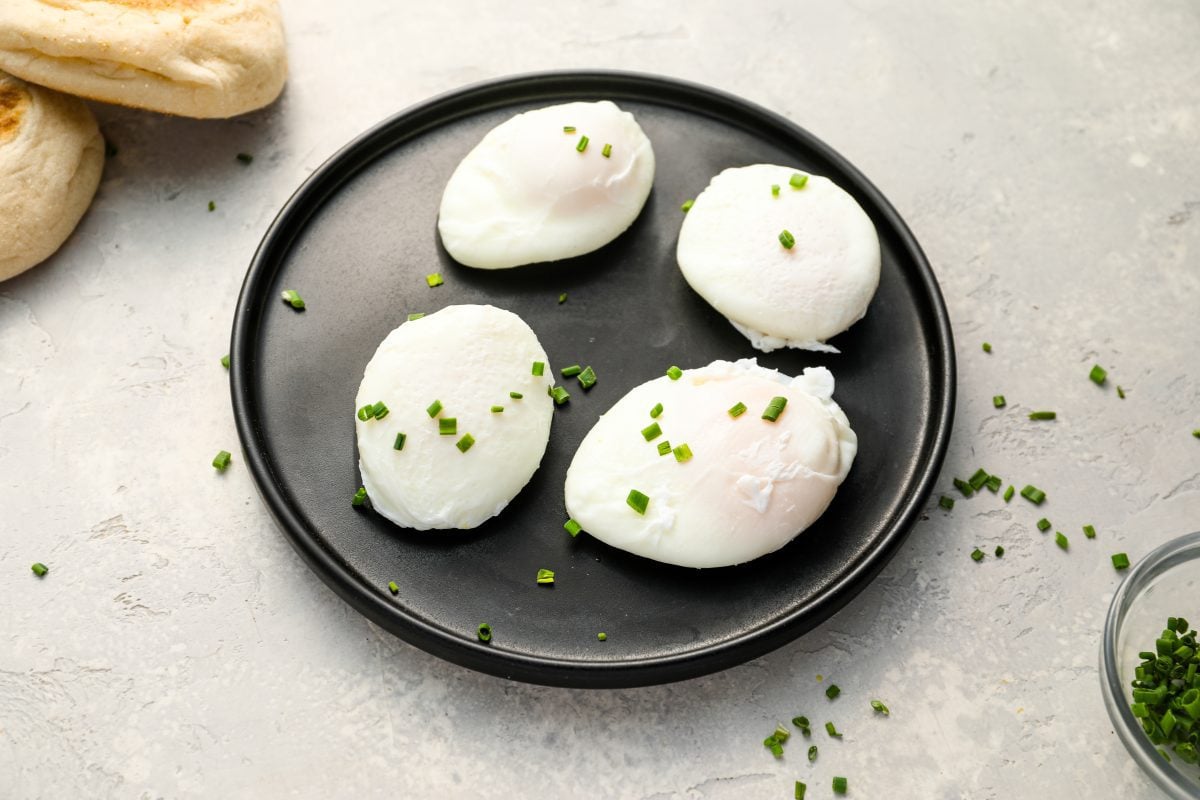
There's something undeniably alluring about a perfectly poached egg. Its delicate, firm white cradling a molten, golden yolk, ready to burst and enrich any dish it graces. Often seen as the pinnacle of breakfast or brunch elegance, the humble poached egg is a versatile, healthy, and incredibly satisfying addition to everything from avocado toast and ramen bowls to vibrant salads and comforting pasta dishes. While the concept of simply cooking an egg in water seems straightforward, achieving that consistent, restaurant-quality result can feel like a culinary mystery.
Many home cooks find themselves intimidated, resulting in stringy whites, broken yolks, or an overcooked, rubbery texture. But fear not! The journey to mastering perfect poached eggs isn't as daunting as it seems. It boils down to understanding a few key principles and avoiding common pitfalls. This comprehensive guide will equip you with the knowledge and techniques to create impeccable poached eggs every time, transforming your meals and impressing your palate.
The Quest for Perfect Poached Eggs: Understanding the Fundamentals
Achieving consistently perfect poached eggs hinges on attention to detail before, during, and after the cooking process. Let's delve into the foundational elements that truly make a difference.
Freshness Reigns Supreme
The single most critical factor in producing a beautifully compact poached egg is the freshness of your eggs. Older eggs have thinner whites that tend to spread uncontrollably in the water, creating a wispy, unappetizing mess. Fresh eggs, on the other hand, boast a thick, tight albumen that holds its shape beautifully around the yolk.
- Why it matters: As an egg ages, the protein structure of its white begins to break down, becoming more watery. This causes it to disperse readily when introduced to heat. Fresh eggs maintain a cohesive structure, ensuring a neat, spherical poached egg.
- How to check for freshness: The simplest method is the water test. Gently place an egg in a bowl of cold water. If it sinks and lies flat on its side, it's very fresh. If it stands upright on its smaller end, it's still good but older. If it floats, it's likely past its prime for poaching. Always check the expiration date on the carton as well.
The Magic of the Poaching Pot: Water, Vinegar, and Salt
The poaching liquid itself plays a crucial role, and the precise environment it creates dictates the egg's success.
- The Water: Gentle Simmer is Key: This cannot be stressed enough – never boil your poaching water vigorously. A rolling boil will violently jostle the delicate egg, causing it to break apart and scatter. Instead, aim for a gentle simmer, characterized by tiny, wispy bubbles forming at the bottom of the pot. The ideal temperature range is typically between 180-200°F (82-93°C).
- Pot Choice & Depth: Opt for a shallow, wide pot or a large skillet. A depth of about 3 inches of water is ideal. This ensures consistent temperature throughout and provides enough space for the eggs to cook without overcrowding, yet shallow enough for easy retrieval.
- Vinegar's Vital Role: Adding a touch of white vinegar to the water is a game-changer. Vinegar, an acid, helps the egg whites coagulate faster and more firmly, preventing them from spreading excessively. A good rule of thumb is 1 tablespoon of white vinegar per quart of water. Don't worry, you won't taste it in the final product!
- Salt for Seasoning (and Caution): A small amount of salt (around 1 teaspoon per quart of water) can subtly season the egg. However, be judicious. Too much salt can actually have the opposite effect of vinegar, causing the egg whites to break up. Its primary role here is minor seasoning, not coagulation assistance.
The Gentle Entry: Technique is Key
How you introduce the egg to the water is paramount for maintaining its integrity and achieving that desired shape.
- Crack into a Ramekin First: This is a non-negotiable step for perfect poached eggs. Crack each egg individually into a small bowl, ramekin, or a measuring cup. This serves two purposes: it allows you to easily inspect for any shell fragments (which you can then remove with your finger or a spoon) and, critically, it enables you to gently slide the egg into the water, rather than dropping it haphazardly from a height.
- The Whirlpool Method (Optional but Effective): Some chefs swear by creating a gentle whirlpool in the simmering water just before adding the egg. A quick stir with a spoon creates a vortex that helps to gather the whites around the yolk as the egg descends, contributing to a more compact shape. Slide the egg into the center of the whirlpool.
- Resist the Urge to Interfere: Once the egg is in the water, let the vinegar and the gentle simmer do their work. Avoid poking, prodding, or trying to "shape" the egg with a slotted spoon. This only disrupts the delicate coagulation process and can break the yolk. If you find the whites spreading a little, you can very gently use a large spoon to fold them over the yolk once or twice in the first 30 seconds, but otherwise, hands off!
Common Mistakes That Spoil Perfect Poached Eggs (and How to Avoid Them)
Even with the best intentions, tiny missteps can derail your quest for perfection. Recognizing and avoiding these common errors will elevate your poaching game significantly.
- Using Old Eggs: As discussed, this is the number one culprit for wispy, messy whites. Solution: Always prioritize the freshest eggs available.
- Vigorously Boiling Water: A rolling boil is detrimental. Solution: Maintain a gentle simmer, with just a few small bubbles forming. Adjust heat as needed.
- Cracking Directly into the Pot: This invites shell fragments, uneven entry, and potential yolk breakage. Solution: Always crack eggs individually into a small bowl first.
- Poking or Prodding the Egg: Constant interference disrupts the cooking process and can tear the delicate whites. Solution: Trust the process. Once the egg is in, leave it alone until it's time to retrieve it.
- Overcrowding the Pot: Trying to poach too many eggs at once will drop the water temperature, lead to uneven cooking, and make retrieval difficult. Solution: Poach eggs in batches, typically 1-3 at a time, depending on the size of your pot.
- Under or Overcooking: This determines the final texture of your yolk and white. Solution: Learn the visual cues and approximate timing (see next section). Don't peek too often, and use a slotted spoon to check the firmness of the white if unsure.
- Not Draining Properly: Serving a poached egg dripping with water can make your toast soggy and dilute flavors. Solution: Once cooked, gently lift the egg with a slotted spoon and let it drain for a few seconds on a paper towel before serving.
Beyond the Basics: Mastering Your Poaching Technique
With the fundamentals solid, let's fine-tune your technique for that consistent, picture-perfect result.
Timing for Perfection
The ideal poached egg features a fully set, firm white and a perfectly runny, liquid yolk. Achieving this requires precise timing, which can vary slightly based on egg size, water temperature, and personal preference. Generally, at a gentle simmer:
- 2-3 minutes: Very runny yolk, barely set whites.
- 3-4 minutes: Classic runny yolk, firm whites (most common preference).
- 4-5 minutes: Soft, custardy yolk, fully set whites.
Checking for Doneness: Gently lift an egg with a slotted spoon. The white should feel firm to the touch, and the yolk should jiggle slightly within it. If you're truly unsure, you can "sacrifice" one egg by carefully cutting it open. Adjust cooking time for subsequent eggs based on this test.
Serving Your Culinary Creation
Once your poached egg is cooked to perfection, gently lift it out with a slotted spoon, allowing excess water to drain. A brief rest on a paper towel will absorb any remaining moisture. Season immediately with a sprinkle of sea salt and freshly cracked black pepper. The beauty of a poached egg lies in its versatility. While a classic choice for eggs Benedict, it also elevates:
- Avocado toast
- Warm salads with greens and grains
- Lentil or ramen bowls
- Asparagus or roasted vegetables
- Hash or crispy potato dishes
Exploring Other Poaching Methods
While the stovetop method remains the traditional and most common way to achieve perfect poached eggs, other methods exist for convenience or specific needs. For those looking for alternatives, the microwave and oven can also yield satisfying results, offering different approaches to a similar outcome. If you're interested in exploring these options further, including quick-and-easy microwave poaching or baking multiple eggs in a muffin tin, you can find detailed instructions and tips in articles like Easy Ways to Master Perfect Poached Eggs Every Time.
Conclusion
Mastering perfect poached eggs is a truly rewarding culinary skill that elevates countless dishes. By prioritizing fresh eggs, controlling your water temperature, utilizing the power of vinegar, and practicing a gentle technique, you'll soon be consistently producing those beautifully delicate, firm-white, runny-yolk creations. Don't be discouraged by initial attempts; like any skill, practice makes perfect. Embrace the process, pay attention to the details, and soon you'll be enjoying these healthy, versatile, and utterly delicious eggs with confidence and flair. Happy poaching!
