Easy Ways to Master Perfect Poached Eggs Every Time
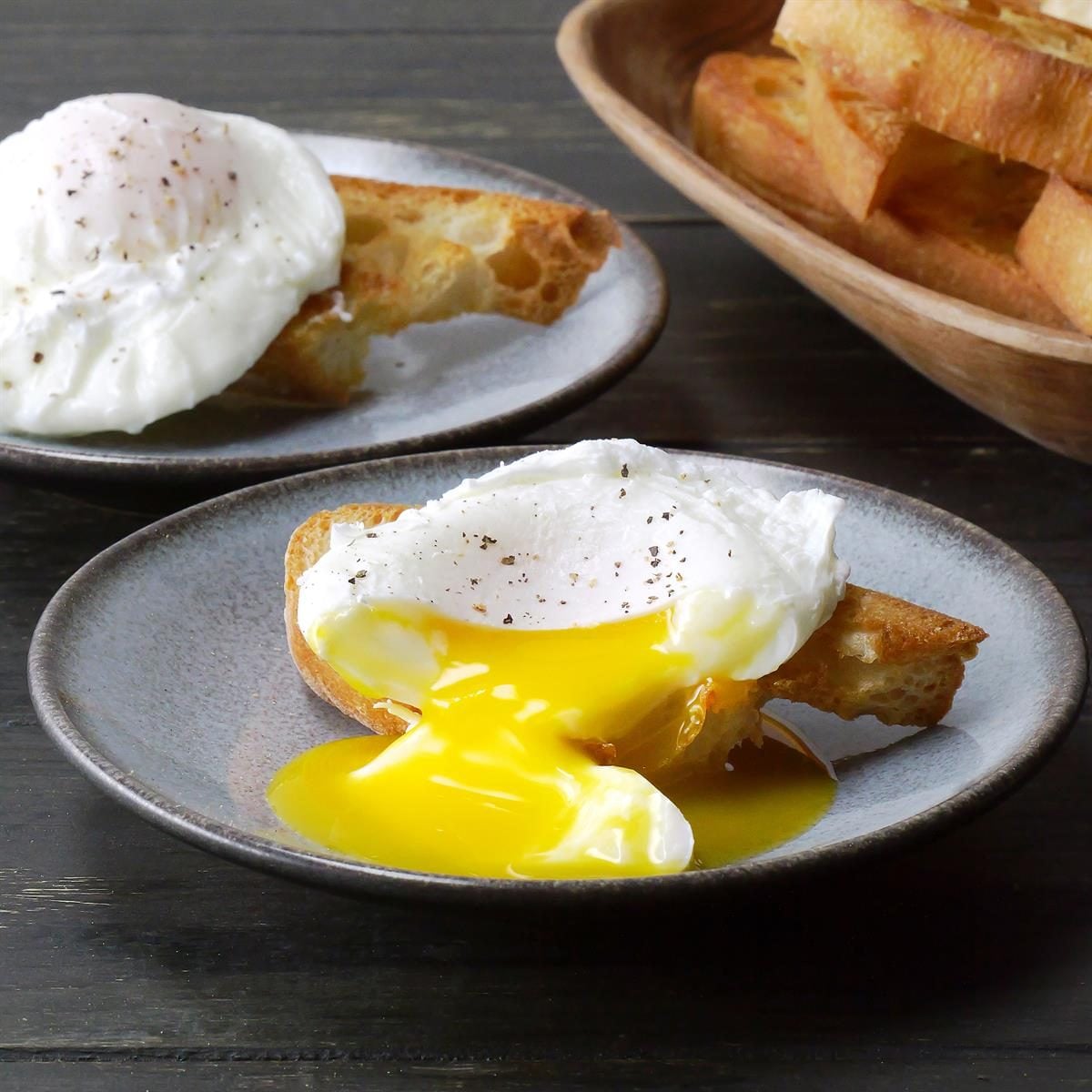
The sight of a perfectly poached egg – its pristine, slightly yielding white encasing a vibrant, molten yolk – is a culinary masterpiece that elevates any dish. From classic Eggs Benedict to a simple avocado toast, a well-poached egg brings a touch of elegance and unparalleled flavor. While many home cooks are intimidated by the prospect of creating perfect poached eggs, believing it to be a tricky technique reserved for professional chefs, the truth is far simpler. With a few insider tips, a dash of patience, and the right approach, you too can master this delicate art every single time.
A poached egg is, at its heart, an egg cooked without its shell, gently simmered in water until the egg white sets into a soft, delicate cloud while the yolk remains luxuriously runny. The result is a silky texture and a clean, pure egg flavor that is both healthy and incredibly versatile, making it suitable for breakfast, brunch, lunch, or even dinner.
The Foundation of Flawless Poaching: Essential Ingredients and Setup
Success in poaching begins before the water even hits the stove. Attention to a few key variables will dramatically increase your chances of achieving that coveted firm white and luscious runny yolk.
- Fresh Eggs are Non-Negotiable: This is arguably the most critical factor. Always opt for the freshest eggs you can find. Older eggs have thinner whites that tend to spread uncontrollably in the water, resulting in wispy, unappealing strands. Fresh eggs, on the other hand, have a thick, cohesive albumen that holds its shape beautifully around the yolk.
- The Power of Poaching Water: The poaching liquid itself plays a crucial role.
- Vinegar for Coagulation: Adding a touch of white vinegar to the water helps the egg whites coagulate faster and more firmly, preventing them from scattering. A good rule of thumb is 1 tablespoon of white vinegar per quart of water. Don't worry, you won't taste it in the finished egg.
- Salt for Seasoning (and Caution): A small amount of salt (around 1 teaspoon per quart of water) adds seasoning to the egg. However, be mindful not to add too much, as excessive salt can actually cause the egg whites to break up.
- Gentle Simmer, Not a Rolling Boil: The water should be at a gentle simmer, with small bubbles breaking the surface, but never a vigorous boil. If the water is too agitated, the delicate eggs will be jostled and fall apart, leading to a fragmented mess. Aim for a water temperature between 180-190°F (82-88°C).
- The Right Vessel Matters: Choose a shallow, wide pot or skillet. This ensures a more consistent water temperature throughout and provides enough surface area for the eggs to cook without crowding, promoting even cooking. Keep the water depth to about 3 inches.
- Prepare for a Graceful Entry: Resist the urge to crack an egg directly into the simmering water. Instead, crack each egg individually into a small bowl, ramekin, or a measuring cup. This allows you to check for any shell fragments and, more importantly, to gently slide the egg into the water, preventing it from breaking apart upon impact.
Mastering the Traditional Stovetop Method
The stovetop method is the most common and, once you understand the nuances, arguably the most rewarding for achieving perfect poached eggs.
- Set Up Your Pot: Fill your chosen shallow, wide pot with about 3 inches of water. Add 1 tablespoon of white vinegar and 1 teaspoon of salt per quart of water used.
- Heat to a Gentle Simmer: Place the pot over medium heat. Watch closely for the water to reach a gentle simmer. You'll see small, occasional bubbles forming at the bottom and rising to the surface, but the water should not be rapidly boiling.
- Prep Your Eggs: While the water heats, crack one egg into a small bowl or ramekin. If poaching multiple eggs, prepare each in its own separate dish.
- Create the Whirlpool (Optional, but Helpful): Some chefs swear by creating a gentle whirlpool in the water with a spoon before adding the egg. Give the water a swift stir in one direction to create a gentle current. This motion helps to gather the egg white around the yolk as it enters the water, resulting in a neater shape.
- Gently Introduce the Egg: Carefully slide the egg from its ramekin into the center of the whirlpool or directly into the simmering water. If poaching multiple eggs, add them one at a time, ensuring they have enough space and don't touch each other. Do not overcrowd the pan; usually, 2-3 eggs at a time is ideal, depending on your pot size.
- Cook to Perfection: Let the egg cook undisturbed for 2-4 minutes. For a truly runny yolk, 2-3 minutes is often sufficient. If you prefer a slightly firmer yolk, aim for 3-4 minutes. During this time, resist the urge to poke, prod, or "fish" for the egg with a spoon. Let the gentle heat and vinegar do their work.
- Retrieve and Drain: Once the whites are set and the yolk is still soft (a gentle poke with a spoon on the white should feel firm but springy), carefully remove the egg from the water using a slotted spoon. Gently dab the bottom of the spoon on a paper towel to remove excess water before transferring the egg to your plate.
Beyond the Stovetop: Alternative Poaching Techniques
While the stovetop method is classic, there are other convenient ways to achieve perfect poached eggs, especially when time is of the essence or you're cooking for a crowd.
- Microwave Poached Eggs: This method is incredibly fast and perfect for a single serving.
- Fill a microwave-safe bowl with about 1/2 cup of water.
- Carefully crack an egg into the water. You can add a tiny splash of vinegar here too.
- Microwave on high for 45-60 seconds. Cooking times vary greatly by microwave wattage, so start with 45 seconds and add 10-second increments until the white is set and the yolk is still runny. Be cautious, as overcooking can cause the egg to explode.
- Carefully remove with a slotted spoon.
- Oven Poached Eggs (Muffin Tin Method): Ideal for batch cooking, this method offers a hands-off approach.
- Preheat your oven to 350°F (175°C).
- Lightly grease a muffin tin. Fill each cup halfway with water.
- Carefully crack an egg into each water-filled muffin cup.
- Bake for 10-13 minutes, or until the whites are set to your liking and the yolks are still soft.
- Carefully remove each egg with a slotted spoon.
Troubleshooting and Advanced Tips for Poached Perfection
Even with the best intentions, things can sometimes go awry. Understanding common pitfalls and having a few extra tricks up your sleeve will ensure consistent success.
- The "Frilly" White: If your egg whites spread out too much, it's almost always due to old eggs. Invest in the freshest eggs possible. Alternatively, ensure your water isn't boiling too vigorously, and you've added enough vinegar.
- Checking for Doneness: The best way to check without sacrificing an egg is to gently lift one with your slotted spoon and gently poke the white. It should feel firm to the touch but still have a slight jiggle, indicating a runny yolk. If in doubt, you can always sacrifice one egg and cut it open to check.
- Serving Ideas Beyond the Obvious: While eggs Benedict and avocado toast are classics, don't stop there! Poached eggs are fantastic on top of grain bowls, salads, pasta dishes (like carbonara), ramen, or even alongside roasted vegetables. Their rich, runny yolk acts as a natural sauce, adding creaminess and depth to almost any meal. For more inspiration on healthy and versatile meals, check out our guide on Poached Eggs Perfection: Your Guide to Healthy & Versatile Meals.
- Making Ahead and Reheating: If you're hosting brunch, you can actually poach eggs ahead of time. Once cooked, plunge them into an ice bath to stop the cooking, then store them in cold water in the fridge for up to two days. To reheat, simply place them in a bowl of very hot (but not boiling) water for about 30-60 seconds, or until warmed through.
Mastering perfect poached eggs is a culinary skill that adds immense value to your kitchen repertoire. It might take a few attempts to find your rhythm and understand your specific stove's temperament, but with each try, you'll gain confidence and precision. Remember the core principles: fresh eggs, gentle heat, and a touch of acid. By adhering to these simple guidelines and experimenting with the different methods, you'll soon be consistently creating restaurant-quality poached eggs that impress guests and elevate your everyday meals. For a deeper dive into common pitfalls and how to avoid them, read our detailed article: Unlock Perfect Poached Eggs: Essential Tips & Common Mistakes.
