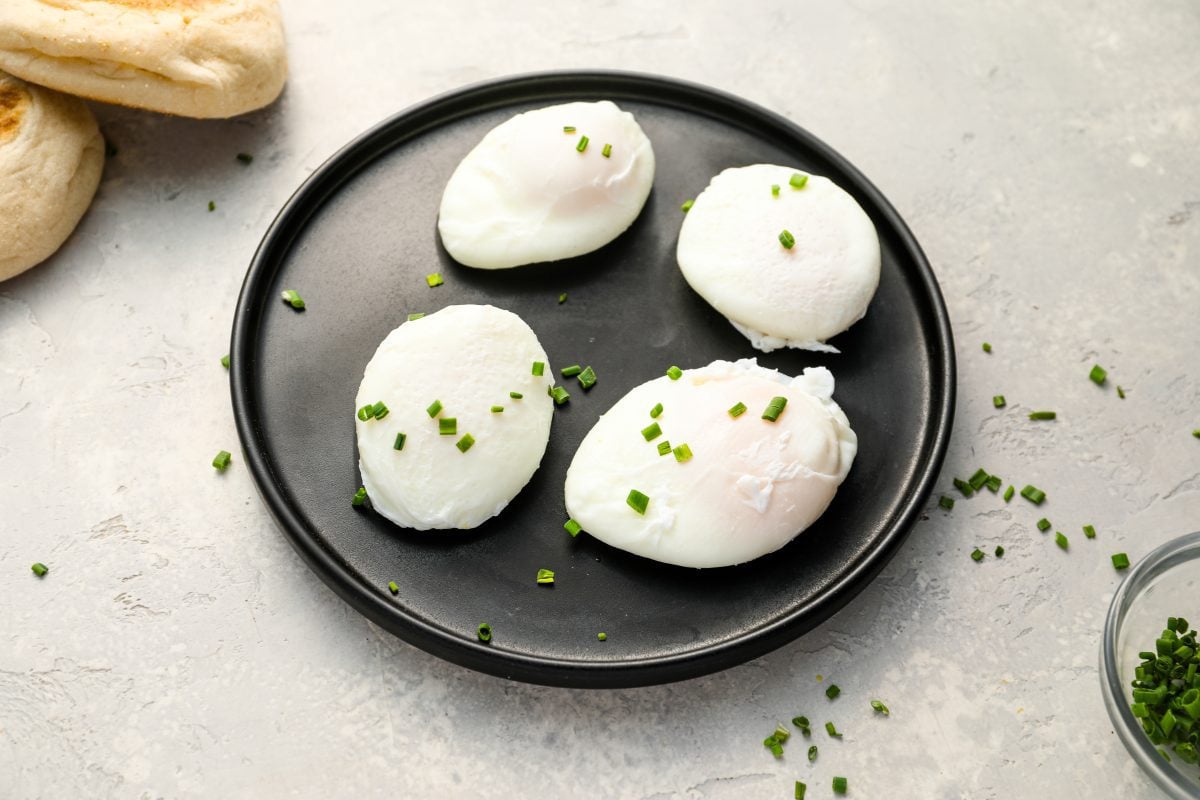
Poached Eggs Perfection: Your Guide to Healthy & Versatile Meals
There’s something undeniably elegant and deeply satisfying about a perfectly poached egg. With its delicately firm, cloud-like white enveloping a warm, molten gold yolk, it transforms a simple meal into a culinary delight. Often perceived as intimidating, achieving
perfect poached eggs is actually a straightforward process that, once mastered, opens up a world of healthy, protein-packed, and incredibly versatile meal options. Forget the myth that they're difficult; with a few key techniques and a little practice, you'll be creating exquisite poached eggs every time.
What Defines a Perfect Poached Egg?
Before we dive into the "how," let's clarify the "what." An ideal poached egg boasts a fully set, yet tender and yielding egg white, completely encasing a luscious, runny yolk. There should be no wispy, fragmented whites floating in the water, and the egg should hold its shape beautifully. This delicate balance of textures is what makes poached eggs a star ingredient, elevating everything from a humble slice of toast to a gourmet brunch plate. And the best part? They’re cooked without any added oils or fats, making them an inherently healthy choice for any time of day.
The Foundation: Essential Tips for Perfect Poached Eggs
Achieving
perfect poached eggs consistently boils down to understanding a few fundamental principles. Think of these as your golden rules for culinary success:
1. Freshness is Key: The Golden Rule
This cannot be stressed enough:
always use the freshest eggs possible. Older eggs have thinner whites that tend to spread uncontrollably when they hit the water, resulting in ragged, wispy edges rather than a neat, compact oval. Fresh eggs, on the other to hand, have thicker whites that hold their shape much better, coagulating quickly around the yolk. Check the carton date, or if you're lucky enough to have backyard chickens, use eggs laid within the last few days. This single factor contributes significantly to the visual appeal and structural integrity of your poached egg.
2. The Power of Water Chemistry: Vinegar & Salt
Traditionally, both vinegar and salt are added to the poaching water, and for good reason.
- Vinegar: A splash of white vinegar is your secret weapon. The acidity helps the egg whites coagulate faster, firming them up quickly and preventing them from spreading excessively. A good starting point is about 1 tablespoon of white vinegar per quart of water. Don't worry, you won't taste it in the final product.
- Salt: Salt primarily seasons the egg from the outside in. However, it also plays a role in coagulation, albeit a more nuanced one. Too much salt can actually cause the whites to break up. A teaspoon of salt per quart of water is usually a good compromise, providing light seasoning without detrimental effects.
3. Temperature Control: Gentle Simmer, Never a Rolling Boil
The water temperature is critical. A gentle simmer is all that's required—think tiny, lazy bubbles forming at the bottom of the pot, just barely breaking the surface. If the water is boiling vigorously, the violent agitation will jostle and break up the delicate eggs, leading to messy, fragmented whites. Maintaining a consistent, gentle simmer ensures a smooth, even cook and helps the eggs retain their elegant shape.
4. The Right Vessel: Pot Choice Matters
Opt for a shallow, wide pot or a deep skillet. A water depth of approximately 3 inches is ideal, as it allows the egg to submerge fully while ensuring the temperature remains consistent throughout. A wider surface area also means you can poach multiple eggs without overcrowding, which can drop the water temperature too much.
5. Pre-Cracking & Gentle Entry
Resist the urge to crack an egg directly into the poaching water. Instead, crack each egg individually into a small bowl, ramekin, or even a soup ladle. This serves a few purposes:
- It allows you to check for any shell fragments before they enter the water.
- It ensures the yolk is intact and the egg is viable.
- Most importantly, it enables you to gently slide the egg into the simmering water, rather than dropping it, which could cause it to break apart.
6. Hands-Off Approach (Mostly)
Once the egg is in the water, resist the temptation to poke, prod, or "shape" it with a slotted spoon. Let the water and vinegar do their job. If you notice a few straggling whites, you can very gently use a large spoon to fold them over the yolk once or twice to help create a neater shape. However, excessive interference often leads to disruption of the delicate egg structure. Patience is a virtue here. For more in-depth tips and common mistakes to avoid, check out our guide on
Unlock Perfect Poached Eggs: Essential Tips & Common Mistakes.
7. Doneness Test: Trust Your Instincts (and a Sacrifice)
A good poached egg takes anywhere from 3 to 4 minutes, depending on its size and your desired yolk runniness. The whites should be completely set, opaque, and firm to the touch, while the yolk remains liquid. If you're unsure, you can always sacrifice one egg by gently removing it with a slotted spoon and cutting it open to check the doneness. This helps you gauge the perfect timing for the rest of your batch.
Beyond the Stovetop: Three Paths to Poached Egg Perfection
While the stovetop method is the classic and often preferred for its precise control and beautiful results, the versatility of poaching extends to other methods for convenience. The reference context highlights three easy ways: stovetop, microwave, and oven. While detailed instructions for microwave and oven are outside the scope of the provided foundation, we'll focus on mastering the traditional stovetop method, which provides the most consistent path to
perfect poached eggs.
1. Stovetop Poached Eggs (The Traditional & Reliable Method)
This is the technique that yields beautifully shaped eggs with pristine whites and gloriously gooey centers.
- Prepare Your Water: Fill a shallow, wide pot or skillet with about 3 inches of water. Add 1 tablespoon of white vinegar and 1 teaspoon of salt per quart of water.
- Heat Gently: Place the pot over medium heat and bring the water to a gentle simmer. You should see small bubbles forming at the bottom, but the surface should not be vigorously boiling.
- Ready Your Eggs: While the water heats, crack each egg individually into a small bowl or ramekin.
- Create a Whirlpool (Optional but Recommended): Once the water is at a gentle simmer, use a spoon to stir the water in one direction to create a gentle whirlpool. This swirling motion helps gather the egg whites around the yolk as you slide it in.
- Slide Them In: Carefully and slowly slide one egg at a time into the center of the whirlpool. If you're poaching multiple eggs, ensure there’s enough space between them.
- Cook & Remove: Let the eggs cook undisturbed for 3 to 4 minutes. The whites should appear set and opaque. Using a slotted spoon, gently lift each egg from the water, allowing any excess water to drain.
- Serve Immediately: Place the perfectly poached eggs onto absorbent paper towels for a moment to wick away any remaining water, then serve them right away.
For more detailed step-by-step guides and visual aids, consider exploring additional resources like
Easy Ways to Master Perfect Poached Eggs Every Time.
Poached Eggs: A Culinary Chameleon
One of the greatest attributes of
perfect poached eggs is their incredible versatility. Far from being confined to breakfast or brunch, they can elevate any meal of the day:
- Breakfast & Brunch: The undisputed champion of avocado toast, the star of Eggs Benedict, or simply delightful on buttered whole-grain toast.
- Lunch: Add a poached egg to a vibrant green salad for a boost of protein, drape one over a bowl of savory ramen, or integrate it into a power bowl with grains and roasted vegetables.
- Dinner: Serve alongside grilled asparagus, atop a bowl of creamy polenta, or even as a rich topping for pasta with a light sauce. Their silky texture and runny yolk act as a natural sauce, enhancing the flavor and mouthfeel of almost any dish.
Their delicate flavor and enriching texture make them a natural fit for so many cuisines and dishes, proving they are truly a culinary chameleon.
Conclusion
Achieving
perfect poached eggs is a rewarding culinary skill that is surprisingly simple to master with a little attention to detail. By focusing on fresh eggs, proper water chemistry, gentle simmering, and a hands-off approach, you can consistently create beautiful, healthy, and incredibly versatile eggs that will impress everyone at your table. So, next time you're looking for a quick, nutritious, and elegant meal, don't shy away from poaching. Embrace the process, and soon you'll be enjoying poached eggs perfection in all its glory.